


· By Michael Rosenzweig
The Konjac Plant: How It's Grown and Harvested
Konjac, also known as devil's tongue, elephant yam, or voodoo lily, has been a staple in Japanese cuisine for centuries. Its unique properties make it an ideal ingredient for a variety of dishes, from traditional noodles to modern, innovative snacks. With its high fiber content and low-calorie count, konjac has become a popular choice for those following vegan and low-carb diets, as it offers a satisfying alternative to traditional carbohydrate-rich foods.
Let’s explore the fascinating world of konjac, from its origins and cultivation to its various uses in traditional and modern cuisine.
How Long Does It Take to Grow Konjac?
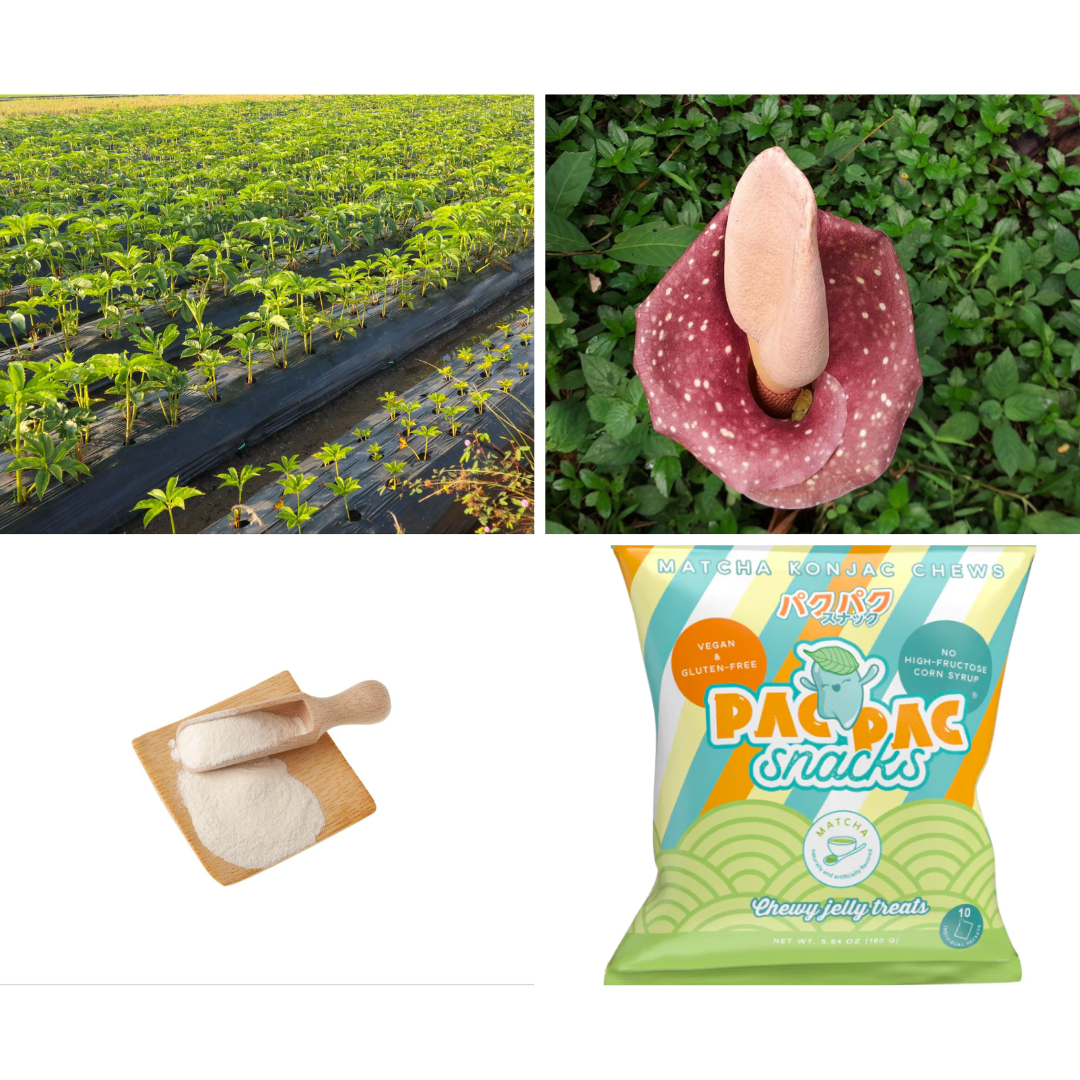
Konjac takes about a year to reach maturity from a planted corm. Farmers plant it in well-drained soil each spring, and the plant needs a warm, humid climate through the growing season. Once the corm is fully grown, it's harvested by hand — a slow, skill-heavy process that keeps quality high but limits how fast supply can scale.
The Konjac Plant: An Overview

Konjac, scientifically known as Amorphophallus konjac, is a perennial plant native to East Asia, including China, where it's been used since around the 6th century. It later spread to Japan, where the plant and the foods made from it are commonly called konnyaku. It thrives in warm subtropical to tropical climates and is primarily cultivated for its large, starchy corm, which is the underground storage organ of the plant. The cultivation of konjac in Japan dates back over 1,500 years, and it has been an integral part of Japanese cuisine and traditional medicine ever since.
One of the key reasons for konjac's growing popularity is its nutritional profile. The plant is high in fiber, particularly glucomannan, a soluble dietary fiber. It's also low in calories, making it a popular ingredient for those watching their carb or calorie intake.
Traditionally, konjac has been used in a variety of Japanese dishes, such as shirataki noodles, konnyaku (a gelatinous food made from konjac flour), and oden (a Japanese hot pot dish). At Pac Pac Snacks, we have been exploring new ways to incorporate konjac into modern diets. Our Konjac Chews are a prime example of how this versatile plant can be transformed into a delicious and nutritious snack that caters to the needs of health-conscious consumers.
From Farm to Harvest: The Konjac Growing Process

The cultivation of konjac is a meticulous process that requires careful attention to detail and a deep understanding of the plant's unique growing requirements. In Japan's preeminent konjac regions, where the plant has been grown for centuries, local farmers have honed their skills and knowledge to produce high-quality konjac corms that are prized for their taste and texture.
Konjac is typically grown from small corms or tubers, which are planted in well-drained soil during the spring months. The plant requires a warm and humid climate to thrive, and it takes approximately one year for the corms to mature. During this time, the plants are carefully tended to ensure optimal growth and development. Once the corms have reached maturity, they are harvested by hand, a labor-intensive process that requires skill and precision.
Local farmers and manufacturers play a vital role in producing high-quality konjac products.
Their expertise in cultivating and processing the plant ensures that the end product is of the highest quality, with a taste and texture that is true to its traditional roots. That quality is evidenced by our partnership with a Japanese regional snack manufacturer that produces our Konjac Chews.
By working closely with local farmers and manufacturers, we are able to maintain a strong connection to the source of our ingredients, ensuring that our konjac-based snacks are made with the freshest and highest quality konjac available. This farm-to-table approach not only supports local economies and promotes sustainable food production but also results in a superior product that is both delicious and nutritious.
Konjac Flour: The Secret Ingredient in Healthy Snacks

Konjac flour, also known as glucomannan powder, is derived from the konjac root through a process that involves peeling, washing, and milling the corms into a fine powder. This flour is then used as a versatile ingredient in a variety of food products, thanks to its unique properties and health benefits.
One of the most notable characteristics of konjac flour is its ability to absorb large amounts of water, forming a gel-like substance when mixed with liquids. This property gives konjac-based snacks a unique, bouncy texture that is both satisfying and enjoyable to eat. It's also naturally high in fiber and low in calories.
Pac Pac Snacks has harnessed the power of konjac flour to create a range of Japanese vegan jelly treats that offer sweet indulgence for health-conscious consumers. Our konjac chews are available in a variety of delicious flavors, such as Matcha, Mango, and Cherry Blossom, providing a tasty and satisfying snacking experience without the added calories and sugar found in traditional snacks.
Innovative Konjac Snack Flavors and Ingredients

As the popularity of konjac continues to grow, Pac Pac Snacks will continue to push the boundaries of traditional konjac-based products by introducing new and exciting flavors and ingredients. This fusion of traditional and new flavors has resulted in a range of konjac snacks that cater to a variety of taste preferences, while still maintaining the health benefits associated with konjac.
Pac Pac Snacks offers a delightful selection of six konjac chew flavors: Yuzu Lemonade, Berry Punch, Peaches & Cream, Cherry Blossom, Matcha, and Mango. Each one brings its own flavor and personality, with the springy, chewy texture konjac is known for.
Matcha uses Japanese matcha for a rich, smooth tea flavor without the bitterness. Mango brings bright tropical fruit, while Yuzu Lemonade pairs tart citrus with a refreshing lemonade note. Berry Punch is juicy and fruity, Peaches & Cream brings soft peach and creamy sweetness, and Cherry Blossom adds a delicate floral touch.
By incorporating these innovative flavors and ingredients into their konjac snacks, Pac Pac Snacks is able to offer a unique and enjoyable snacking experience that not only satisfies cravings but also supports a healthy and balanced lifestyle.
Embracing the Konjac Lifestyle
Konjac has emerged as a versatile ingredient that can be incorporated into a wide range of dishes and snacks. Its high fiber content and low-calorie count make it a popular choice for those seeking to maintain a balanced diet while still enjoying delicious and satisfying food options.
By offering a range of tasty and satisfying konjac chews that combine traditional and modern flavors, Pac Pac Snacks invites you to experience the unique benefits of konjac for yourself. Whether you are a long-time fan of konjac or new to this versatile plant, Pac Pac Snacks provide a delicious and enjoyable way to incorporate konjac into your daily routine.
New to konjac? Learn more about what is konjac candy, or browse all konjac recipes and ideas.
Want to cook with it yourself? See our guide on using konjac flour. And if you're wondering whether it's safe to eat, we cover konjac jelly's full safety history — including why we sweeten with beet sugar instead of sugar alcohols.


