


· By Michael Rosenzweig
The History and Cultural Significance of Konjac in Japan
Konjac's history in Japan stretches back over 1,500 years, arriving from China in the 6th century as medicine before becoming a food staple. In Japanese society, konjac holds a unique place in the country's culinary and cultural history — from Buddhist cuisine to festival traditions to modern fusion cooking. For the plant science and how it's grown today, see where konjac comes from and how it's harvested.
New to konjac? Start with and how it's made.
Historical Background of Konjac

Konjac is believed to have originated in the Yunnan region of China and was introduced to Japan around the 6th century. The plant was initially cultivated for its medicinal properties, as it was thought to possess healing powers. Over time, konjac became an essential part of Japanese agriculture, primarily grown in central Japan.
The rise of Buddhism in Japan played a significant role in popularizing konjac as a food source. As Buddhism promoted a vegetarian lifestyle, konjac emerged as a valuable ingredient due to its versatility and ability to imitate the texture of meat. This association with Buddhist cuisine, known as shojin ryori, helped establish konjac as an essential component of Japanese cuisine and culture.
Over the centuries, the consumption of konjac has evolved to suit the changing tastes and dietary needs of the Japanese people. Initially consumed as a medicinal food, konjac gradually became a staple ingredient in various traditional dishes. The development of konnyaku (a gelatinous block made from konjac flour) and shirataki noodles (thin, translucent noodles made from konjac) expanded the culinary applications of the plant, making it a versatile and essential ingredient in Japanese cuisine. Today, konjac remains a popular food choice in Japan due to its unique texture and cultural significance.
Konjac in Japanese Cuisine
Konnyaku
Konnyaku is a gelatinous, greyish-white block made from konjac flour, which is derived from the root of the konjac plant. The flour is mixed with water and a small amount of calcium hydroxide, which acts as a coagulant to create the firm, jelly-like texture. Konnyaku is often used in savory dishes due to its ability to absorb flavors from other ingredients, making it a versatile component in various recipes.

Shirataki Noodles
Shirataki noodles are thin, translucent noodles made from konjac flour. They are prepared by mixing konjac flour with water and calcium hydroxide to form a dough, which is then extruded into noodle form. Shirataki noodles have a chewy texture and are virtually calorie-free, making them a popular choice for those seeking a low-carb or low-calorie alternative to traditional noodles.
Traditional Japanese Dishes Featuring Konjac

Oden
Oden is a popular Japanese hotpot dish that typically features various ingredients, such as fishcakes, tofu, and boiled eggs, simmered in a savory soy-based broth. Konnyaku is often included in oden for its unique texture and ability to absorb the flavors of the broth, adding depth and complexity to the dish.
Nikujaga
Nikujaga is a classic Japanese comfort food made from meat (usually beef or pork), potatoes, and other vegetables simmered in a sweet and savory soy-based sauce. Konnyaku is sometimes added to nikujaga, providing an interesting textural contrast and enhancing the dish's overall flavor profile.
Sashimi Konnyaku
Sashimi konnyaku is a unique dish that highlights the versatility of konjac. Thinly sliced konnyaku is marinated in a flavorful sauce and served as a vegetarian alternative to traditional raw fish sashimi. The dish showcases the ability of konnyaku to mimic the texture and appearance of other ingredients while providing a delicious, plant-based option.
Fiber and Everyday Cooking
Konjac is high in dietary fiber (mostly glucomannan), which is why it's low in calories and carbohydrates — a reason it's become a popular alternative to higher-calorie noodles and thickeners in Japanese cooking.
Cultural Significance of Konjac

Japanese Ceremonies and Rituals
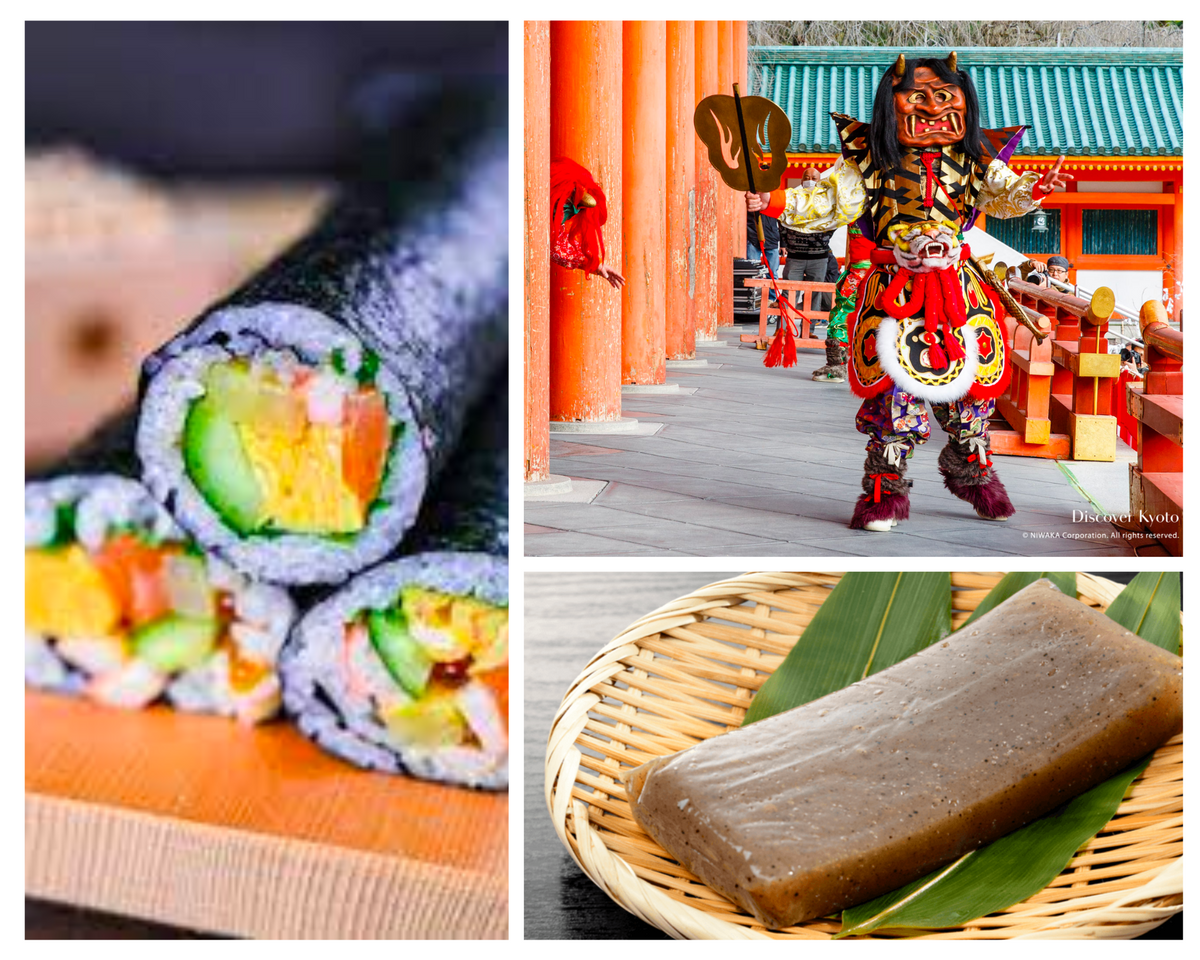
Konjac plays a significant role in various Japanese ceremonies and rituals, showcasing its importance in the country's culture. For instance, during the Setsubun festival, a traditional event marking the beginning of spring, konnyaku is often used to create ehomaki sushi rolls. These rolls are believed to bring good luck and are consumed while facing the auspicious direction for that year. Additionally, konjac is sometimes used as an offering during certain religious ceremonies, further highlighting its cultural significance.
Folklore and Beliefs
Numerous folklore and beliefs surround konjac, reflecting its deep-rooted connection with Japanese culture. One popular belief is that konnyaku possesses the ability to ward off evil spirits and bring good fortune to those who consume it. Another belief is that the konjac plant's unique ability to retain water symbolizes the human ability to retain knowledge, making it a popular food choice for students during exam seasons.
A symbol of Resilience and Adaptability
The konjac plant is known for its resilience and adaptability, as it can grow in various soil conditions and withstand harsh weather. This characteristic has made konjac a symbol of perseverance and determination in Japanese culture. Consuming konjac is sometimes believed to impart these qualities onto the individual, further strengthening the cultural connection between the plant and the people of Japan.
Modern adaptations of konjac
In recent years, konjac has found its way into fusion cuisine and has been reinterpreted in various innovative dishes. Chefs worldwide are incorporating konjac into their menus, experimenting with new flavors and techniques to create unique culinary experiences. Examples include konnyaku-based lasagna, where konjac sheets replace traditional pasta, and shirataki noodles used in Italian-style dishes or stir-fries, showcasing the plant's versatility and adaptability.
Konjac as a vegan and low-carb alternative

As more people adopt vegan, vegetarian, and low-carb diets, konjac has emerged as a popular alternative to traditional ingredients. Its ability to mimic the texture of meat and its low-calorie, low-carb profile make konjac an ideal choice for those seeking plant-based or diet-friendly options. From vegan seafood alternatives to low-carb pasta dishes, konjac's culinary applications continue to expand, catering to diverse dietary preferences and needs.
Konjac turns up in Japanese cuisine - learn about shirataki, the low-carb konjac noodle.
Global expansion and influence on international cuisine
The growing popularity of Japanese cuisine worldwide has led to increased interest in konjac and its unique characteristics. As a result, konjac is now being used in various international dishes, with chefs incorporating the ingredient into their culinary repertoire. This global expansion has not only introduced konjac to new audiences but has also inspired new combinations and techniques, further solidifying konjac's position as a versatile and culturally significant ingredient.
Konjac's story doesn't end with its history — see how konjac is grown and harvested today.

As you continue to explore the fascinating world of Japanese food and culture, consider experiencing the texture and flavors of konjac for yourself through our konjac chews.
That centuries-old konjac tradition is exactly what goes into our konjac chews today.
Discover more about Pac Pac Snacks and our Konjac Jelly Chews at https://pacpacsnacks.com/.


