


· By Michael Rosenzweig
The Science of Konjac: Why It's So Chewy
Konjac's chew comes from glucomannan, a soluble fiber in the root that absorbs water and forms a firm gel — unlike gelatin, it doesn't melt with body heat, which is why konjac jelly has a springy bite instead of a soft dissolve.
New to konjac? Start here: What Is Konjac Candy?
The Role of Glucomannan
Glucomannan is a water-soluble dietary fiber found in the konjac root — a polysaccharide made of glucose and mannose molecules with an unusually high capacity to absorb water, one of the most viscous dietary fibers known.
When combined with water, glucomannan forms a thick, gel-like substance. Cooked, that's what creates the chew. The more glucomannan in the mix, the chewier the result.
How Konjac Becomes Jelly
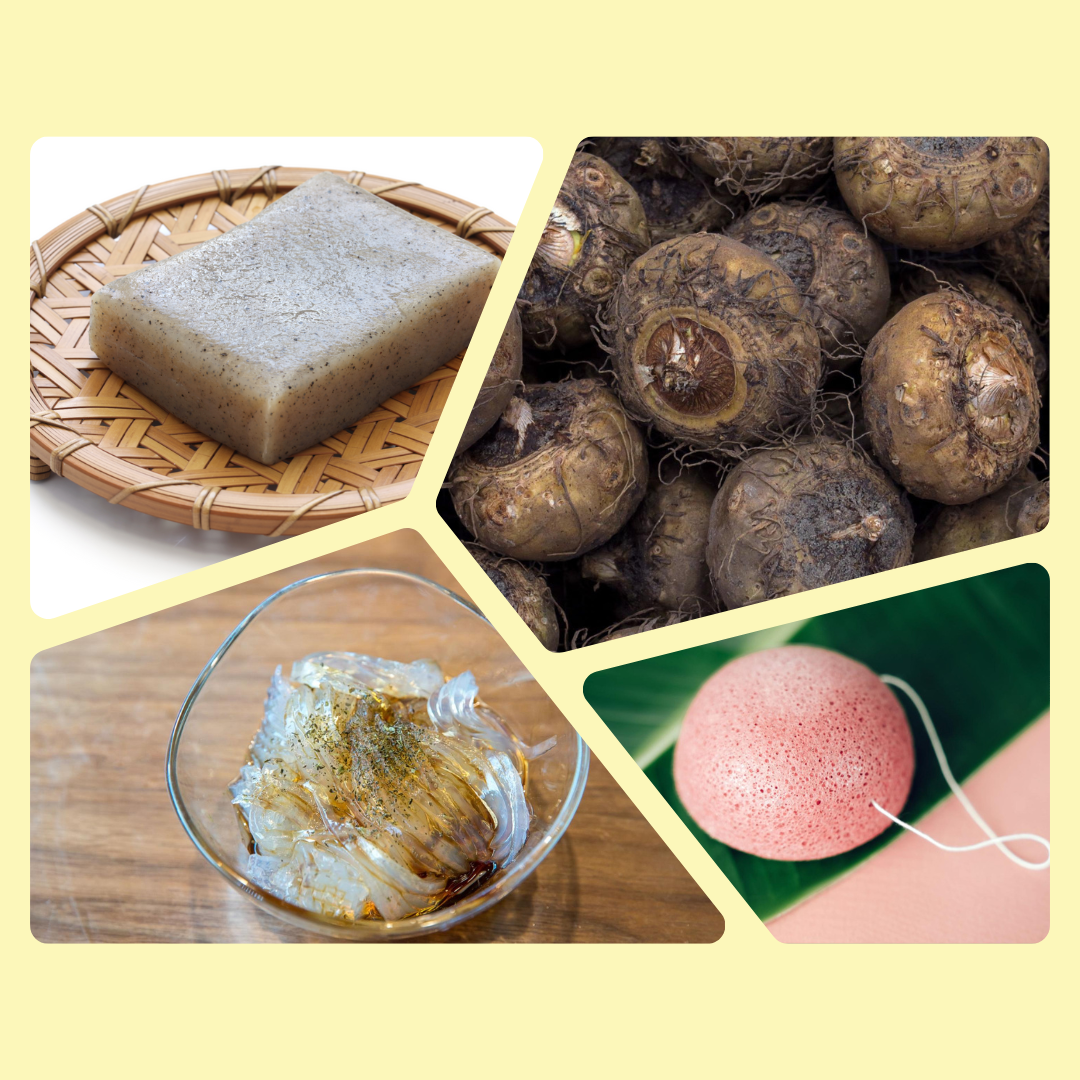
The root is harvested, cleaned, peeled, and ground into a fine powder — konjac flour, the base for konjac products. The flour is mixed with water and, often, a small amount of calcium hydroxide or calcium sulfate, which neutralizes the pH and helps the gel set. Once it reaches the right consistency, it's shaped — into noodles, blocks, or jelly — and boiled or steamed to finish.
For the many forms konjac takes — shirataki noodles, konnyaku blocks, jelly — see our full guide to what konjac is. For how to cook with it directly, see our konjac flour cooking guide.
You can feel that signature bounce in every Pac Pac konjac chew.


